
Study

Diagram
Learn the parts of a 16th to 18th century galleon shown in the Diagram below.
(Quiz on the parts of a galleon)
Click on the name of a part of the galleon to find out more about it.
Learn the parts of a 16th to 18th century galleon shown in the Diagram below.
(Quiz on the parts of a galleon)
Click on the name of a part of the galleon to find out more about it.
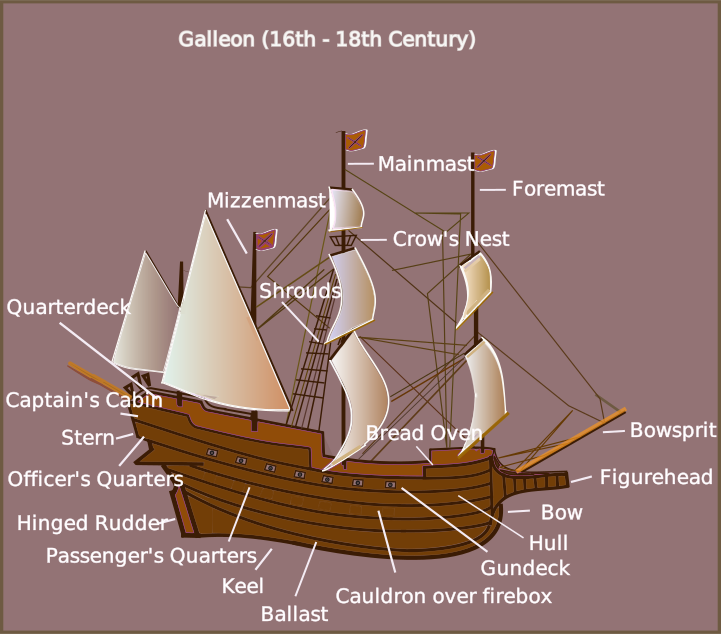
Learn about the 16th to 18th century galleon.
16th to 18th Century Galleons
The galleon, known also in Spain as galeón, and in France as galion, was a sailing ship used for the dual purpose of carrying cargo and for engaging in warfare. From the 14th century, carracks had been widely used throughout Europe, and from the 16th century onwards, galleons were more common. They were a favourable combination of the earlier forms of the galley, caravel and carrack, improving upon the speed of the caravel and having the stability of the carrack. The amount of cargo and heavy war guns a galleon could carry was impressive and made it suitable for both carrying large loads and engaging in serious maritime battles.
The Spanish Galleon
The Spanish galleon was used from the 16th to the 18th centuries, and was somewhat larger than the conventional galleon. What it lost in speed, it made up for in increased capacity. Spanish galleons were used to transport goods from the New World and Asia. They were used for carrying agricultural goods, lumber, various metal resources such as silver and gold, gems, pearls, sugar, tobacco, silk, spices and other exotic goods from the overseas territories of the Spanish Empire to the Spanish mainland. At times, they were targeted by pirates and other parties who had nefarious motivations. However, galleons were well-equipped for such threats and were more resistant to these attacks than many other seafaring vessels.
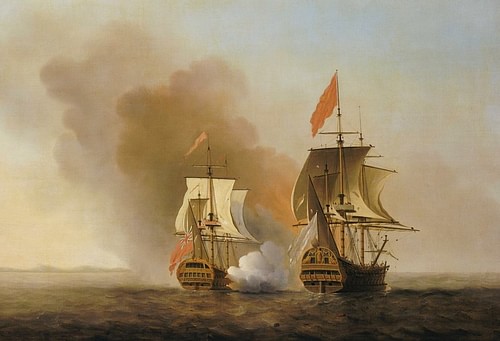
The San Jose
The San Jose was a 64-gun Spanish galleon that was a flagship of the Spanish treasure fleet during the War of the Spanish Succession. She sank in battle near Cartagena, Colombia, on 8 June 1708. When she sank, she was carrying today’s equivalent of $17 to $20 billion in gold, silver, emeralds and porcelain, and her sinking cost the lives of 600 men. The three-masted galleon was 150 feet long and carried about 200 tons of cargo.
More About the Galleon
The strategy of boarding an enemy vessel to conquer it had been largely superseded by the approach of heavy firing from cannons in order to blast the enemy’s vessels to pieces. Besides the heavy cannons at the bow and the stern, the galleon had cannons along both sides of the ship that could point through gun ports or windows which could be closed when not in use. Smaller swivel cannons were mounted in various places on the top deck. During a battle, the operation of each of the cannons was done by a four- or five-man team, and a Spanish galleon could have as many as 40 or more cannons in operation.
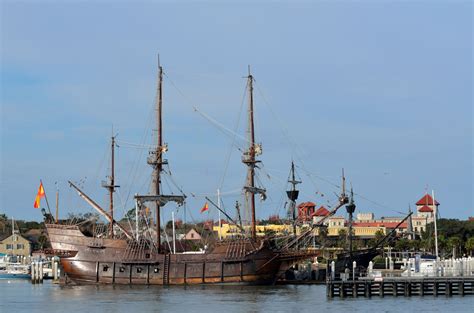
At the front of the vessel, the bowsprit provided more fastening points for sails so as to extend them beyond the bow, giving the vessel the potential to travel at greater speeds. Spanish galleons had stronger hulls in order to reduce damage from cannon fire. They had three or four masts, but lacked the oars of galleys. Many tons of smooth river stones were put in the hold as ballast to keep the ship steady, and it is said these were replaced with silver and gold or other heavy cargo when it was taken aboard.
The Building of a Galleon
A galleon was expensive to build and required many tradesmen who were skilled in a range of trades, including sail-makers, carpenters, shipwrights, blacksmiths, pitch-melters and coopers. It would typically require more than a thousand oak trees for the timber. The entire ship would take two years to build. The building of Spanish galleons usually took place in northern Spain, close to Bilbao. The ships’ timbers were made of oak, which had been harvested from nearby forests. Items of artillery and warfare were also produced in proximity to the port where the construction of the vessel took place, and other vital materials, including rope, canvas and pitch, were readily supplied to the port from various locations in Europe.
(See the parts of a galleon in a Diagram)
(Do the Quiz on the parts of a galleon)